
"middle roast"
5000 article(s) found

Picture of roasted coffee beans during roasting (Middle Roast)
1. Picture of roasted coffee beans in China (Middle Roast)
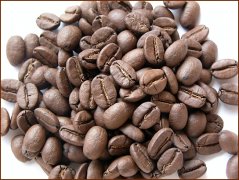
Picture of roasted coffee beans in China (Middle Roast)
1. Picture of roasted coffee beans in China (Middle Roast)
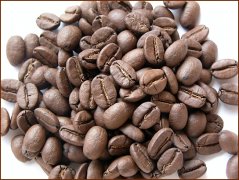
Picture of roasted coffee beans in China (Middle Roast)
1. Picture of roasted coffee beans in China (Middle Roast)
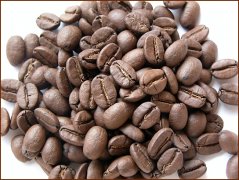
Picture of roasted coffee beans in China (Middle Roast)
1. Picture of roasted coffee beans in China (Middle Roast)
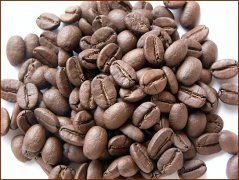
Pictures of roasted coffee beans in the common sense of coffee roasting (Middle Roast)
1. Picture of roasted coffee beans in China (Middle Roast)
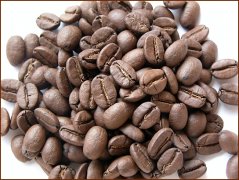
Picture of roasted coffee beans in China (Middle Roast)
1. Picture of roasted coffee beans in China (Middle Roast)

The main coffee drinking habits in the world: coffee culture in the Middle East.
Coffee drinkers around the world can be classified as the following according to their drinking habits and preferences. 1. People in the Middle East and the Middle East stick to the basic way of drinking. They roast the coffee beans to near DarkRoast, usually grind them into a very fine powder, then boil it a few times and then add sugar to form a small cup of coffee that is very thick, bitter, sweet and precipitated. People regard as

What are the nutrients of coffee beans baked at low temperature-coffee beans are not cooked in the middle of baking
What are the nutrients of low-temperature roasted coffee beans-unripe white coffee is a Malaysian specialty with a history of more than 100 years. White coffee does not mean that the color of coffee is white, but uses high-grade Liberica, Arabica and Robusta coffee beans and super skimmed cream raw materials to remove a large amount of caffeine after moderate and mild low temperature baking and special processing.

The world's major coffee drinking habits
1. People in the Middle East and the Middle East stick to the basic way of drinking. They roast the coffee beans to near DarkRoast, usually grind them into a very fine powder, then boil it a few times and then add sugar to form a small cup of coffee that is very thick, bitter, sweet and precipitated. People sipped this small cup of coffee in an elegant and courteous manner. 2. Southern Europe and Latin America

The method of volcano flushing comes from deep roasting coffee beans in Japan.
The method of volcanic flushing comes from Japan, which is more suitable for deep-roasted coffee beans. It uses the carbon dioxide in beans, and after many times of steaming, the coffee powder bulges like a volcanic eruption, so deep-baked beans are more suitable because they contain more carbon dioxide. Flannel and V60 are mostly used in volcanic flushing, because the middle powder layer is very thick, so it is mainly in the middle with 1.

The world's major coffee drinking habits
Coffee drinkers around the world can be classified as the following according to their drinking habits and preferences. 1. People in the Middle East and the Middle East stick to the basic way of drinking. They roast the coffee beans to near DarkRoast, usually grind them into a very fine powder, then boil it a few times and then add sugar to form a small cup of coffee that is very thick, bitter, sweet and precipitated. People regard as
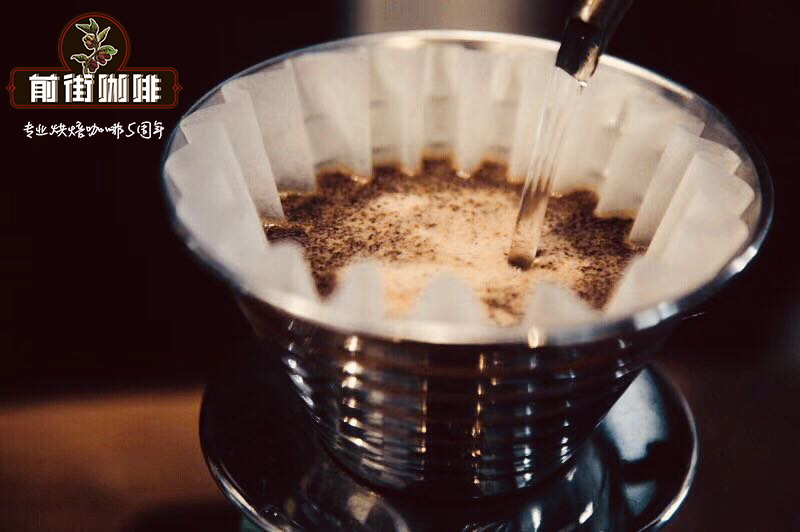
[sharing the experience of hand-brewing coffee] four tips for roasting beans in the middle and deep of hand-brewing
Professional coffee knowledge exchange more coffee bean information Please follow the coffee workshop (Wechat official account cafe_style) encountered in the deep-roasted beans, many people will have this problem when brewing: the taste of coffee is too bitter. Today, I would like to share a little experience so that you can reduce mistakes when baking beans in deep cooking, and keep the taste of coffee at an acceptable level.
Basic knowledge of boutique coffee the way people drink coffee in various countries
People all over the world drink coffee in different ways, but if you ask how many ways to drink coffee, I'm afraid no one can tell. It can be said that there are many ways to drink coffee in as many countries as there are in the world. 1/3 people in the world drink coffee, but it seems that no two countries drink coffee in the same way. People in Arab countries

Traditional coffee drinkers in southern Europe and Latin America
People in the Middle East are obsessed with the basic way of drinking, roasting coffee beans deep to near dark (DarkRoast), usually ground into a very fine powder, and then boil several times and then add sugar to form a small cup of coffee that is extremely thick, bitter, sweet and precipitated. People sipped this small cup of coffee in an elegant and courteous manner. Southern Europeans and urban Latin America

The basic knowledge of traditional Coffee drinking in various countries
People in the Middle East are obsessed with the basic way of drinking, roasting coffee beans deep to near dark (DarkRoast), usually ground into a very fine powder, and then boil several times and then add sugar to form a small cup of coffee that is extremely thick, bitter, sweet and precipitated. People sipped this small cup of coffee in an elegant and courteous manner. Southern Europeans and urban Latin America
Learn about the traditional customs of drinking coffee in various countries
People in the Middle East are obsessed with the basic way of drinking, roasting coffee beans deep to near dark (DarkRoast), usually ground into a very fine powder, and then boil several times and then add sugar to form a small cup of coffee that is extremely thick, bitter, sweet and precipitated. People sipped this small cup of coffee in an elegant and courteous manner. Southern Europeans and urban Latin America

1/3 of the people in the world drink coffee. The way people drink coffee in other countries.
People all over the world drink coffee in different ways, but if you ask how many ways to drink coffee, I'm afraid no one can tell. It can be said that there are many ways to drink coffee in as many countries as there are in the world. 1/3 people in the world drink coffee, but it seems that no two countries drink coffee in the same way. People in Arab countries
Fine Coffee Culture the traditional custom of drinking coffee in various countries
People in the Middle East are obsessed with the basic way of drinking, roasting coffee beans deep to near dark (DarkRoast), usually ground into a very fine powder, and then boil several times and then add sugar to form a small cup of coffee that is extremely thick, bitter, sweet and precipitated. People sipped this small cup of coffee in an elegant and courteous manner. Southern Europeans and urban Latin America
The way people drink coffee in the world coffee culture
People all over the world drink coffee in different ways, but if you ask how many ways to drink coffee, I'm afraid no one can tell. It can be said that there are many ways to drink coffee in as many countries as there are in the world. 1/3 people in the world drink coffee, but it seems that no two countries drink coffee in the same way. People in Arab countries

Basic knowledge of Fine Coffee production and processing of coffee beans
Coffee in the ancient Middle East, like the legend of 1001 nights, like a veiled girl with a thousand faces, can not only help get close to God, but also wash the spring of sadness. When it comes to coffee, we have to mention Turkish coffee in the Middle East, because no matter from the perspective of Islam or Christianity, the origin of coffee is in the remote and mysterious Middle East. In the thirteenth to fifteenth centuries, it grew.